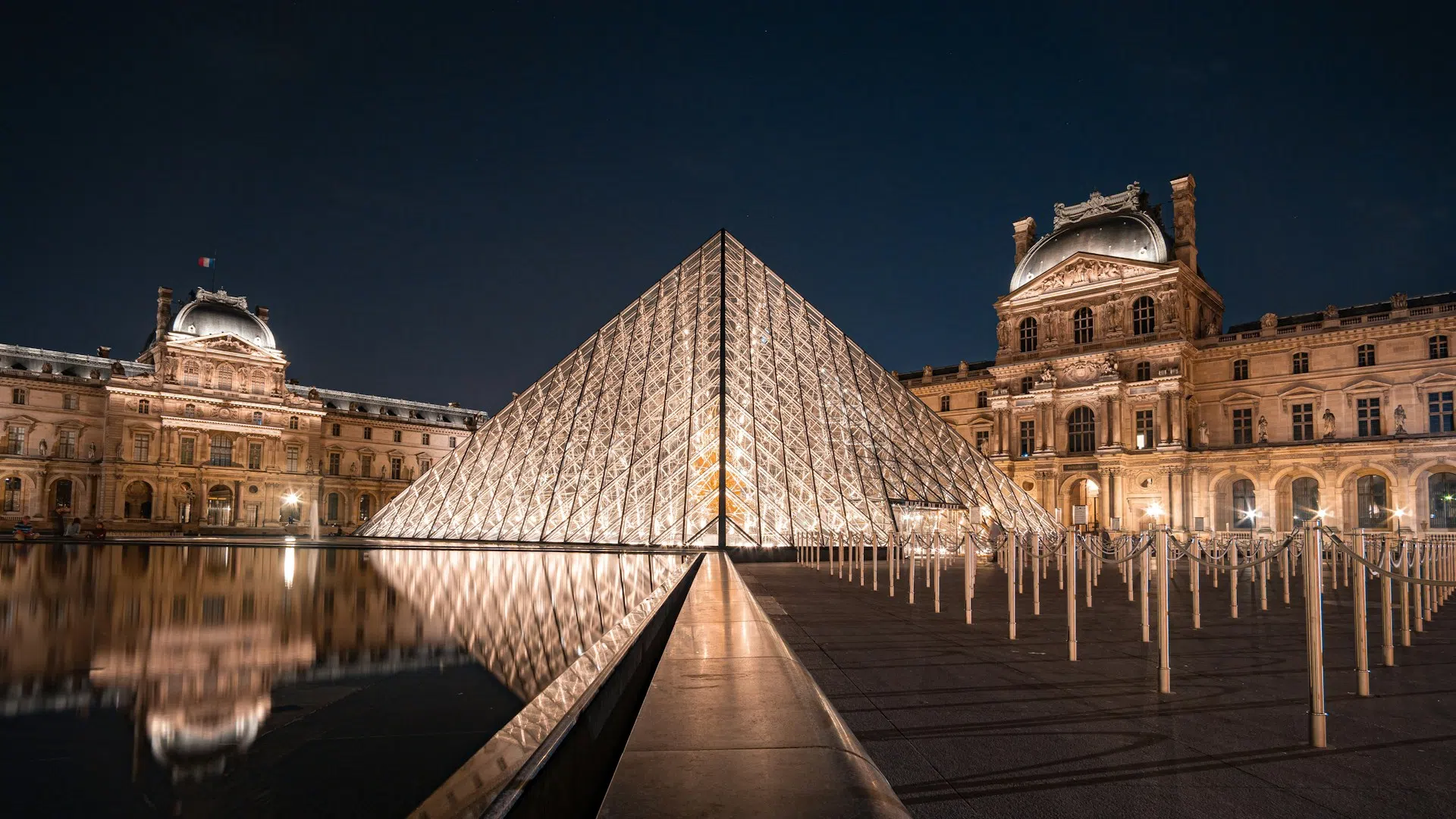
Destinations — Paris
A Paris trip designed for you
Paris is best experienced when someone who knows the city inside out has already taken care of everything before you arrive.
In a well-crafted day, you can move from a major museum to a riverside stroll to a lively neighborhood — and end somewhere quiet, without ever checking a map, queuing, or re-planning your route on the pavement.
That's exactly what we design for you: a Paris trip thought through in every detail — coherent neighborhoods, short transfers, time slots at the right moment, good restaurants booked, hotel in the right arrondissement. You arrive with a clear, liveable programme. We handle the reservations, the tickets, the unexpected. And while you're there, we stay reachable.
Want to see a concrete example? Browse our Paris trip, then let's talk about your journey.
We start from your dates, budget, and pace, then take care of the rest: neighborhoods, visits, and the bookings that need to be made — all handled for you. The goal is for everything to flow naturally—and for you to understand why each choice makes sense.
About ItineraryFrance →What makes Paris unforgettable
Why Paris is worth it
- ✓ Grab a terrace coffee and watch Paris go by, simply, like a movie scene.
- ✓ Follow the Seine from bridge to bridge, get some air, then stop wherever the vibe pulls you in.
- ✓ Enjoy a bakery breakfast in a park: good bread, something sweet, and the day starts right.
- ✓ Step into a covered passage: glass roofs, shop windows, soft light… and that old-world charm.
- ✓ Wander a neighborhood market, fill a bag with good things, and improvise an effortless picnic.
- ✓ Walk into an independent bookstore, browse, chat, and leave with a find that feels like you.
- ✓ Settle into a Parisian garden on a bench and take a real break (the kind that does you good).
- ✓ Find a viewpoint, gain a little height, and let the city stretch out under your eyes.
- ✓ Sit down in a bistro for the daily special: simple food, a lively room, a very real Paris.
- ✓ End the evening with a stroll through lit-up streets, when the city slows down and turns almost intimate.
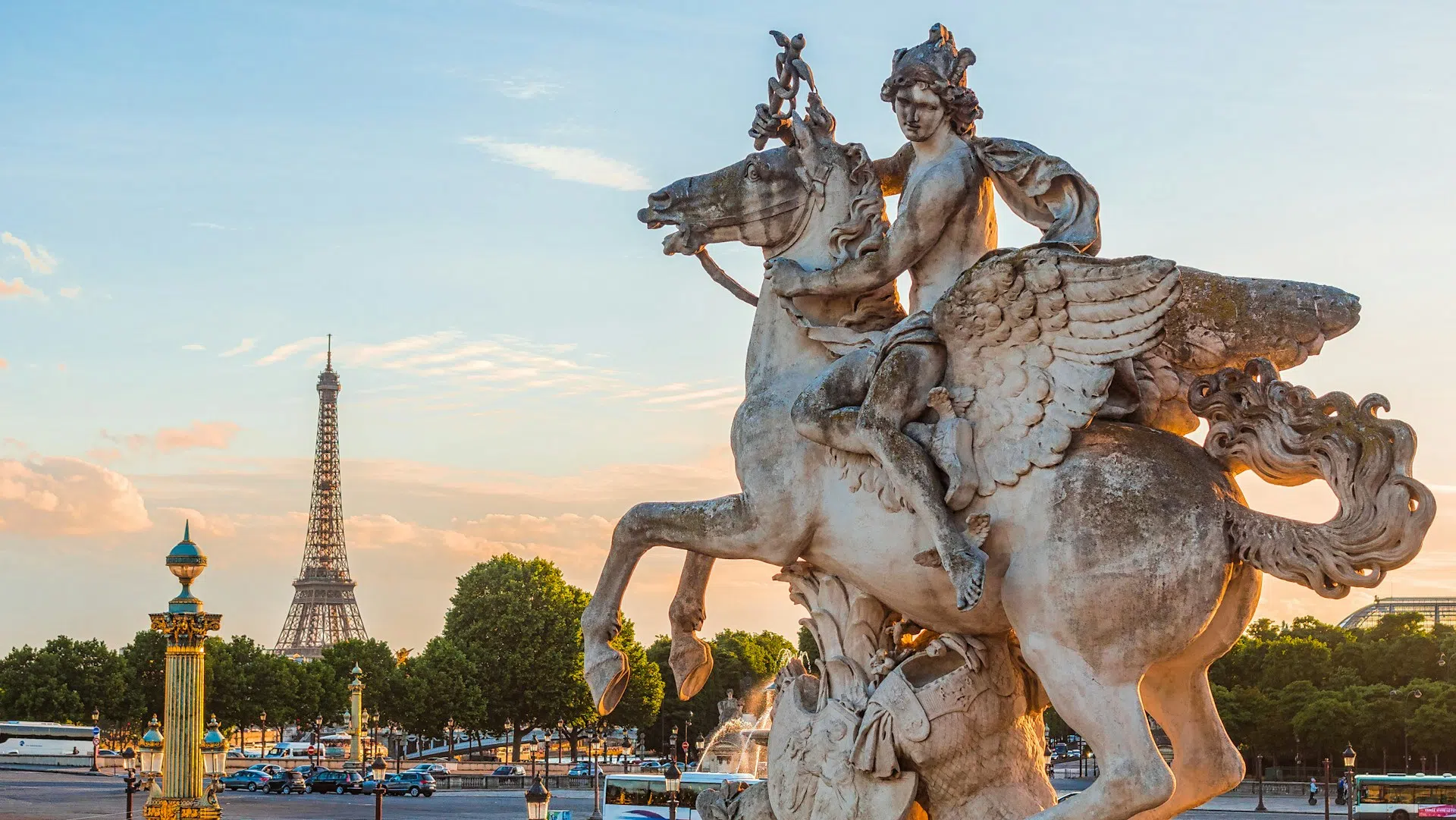
A trip we've designed for Paris
Get inspired by this example, then let's talk about your trip.
Before you go
Practical pointers to build a realistic—and above all enjoyable—plan.
Pick your pace: Paris is better when you can breathe
Paris makes you want to do too much, fast. The best move is to choose a pace from the start: it avoids "overstuffed" days and pointless back-and-forth.
Slow pace: 1 big moment per half-day (a museum OR a long walk), with generous breaks (garden, terrace, market). Ideal if you like to wander and soak up the atmosphere.
Balanced pace: 1 must-see in the morning, 1 neighborhood in the afternoon, and an easy evening (bistro, show, walk). Often the best compromise for a first trip.
Fast pace: 2 "strong" visits per day, but staying in the same area. It works very well… as long as you book ahead and keep a plan B.
No zigzag Paris: 3 day structures that flow naturally
A pleasant itinerary is often a matter of logic: stay in one zone, walk a lot, and let the city "carry" you from one place to the next.
Iconic day (monuments + views): one major landmark in the morning, a Seine-side walk, then a viewpoint late afternoon. The secret: pick the right times, not an endless checklist.
Museum day (without overload): a "major" museum early, an easy lunch nearby, then a shorter museum or an exhibition. Avoid doing two huge museums back-to-back.
"Local Paris" day (markets + passages + lively neighborhoods): market in the morning, covered passages or shopping streets, then a park or canal. Often the day that leaves the best memories, because it is simple and smooth.
Where to stay in Paris: choose an area based on your priority
There is no universal "best neighborhood". There is the neighborhood that makes your trip easier.
Want to do everything on foot: target a central area… but know prices rise quickly. A smart option is being just next to a metro or RER stop.
Want to move around easily: prioritize a strong metro/RER hub (simple connections). In Paris, being "well connected" often matters more than being "ultra-central".
Looking for calm at night: residential neighborhoods can be genuinely comfortable while still staying close to lively areas.
Traveling with family: aim for space, access to parks, and short transfers. A good stay is one that avoids stressful end-of-day logistics.
And if you already have an address (hotel, apartment, friends/family), the most efficient approach is to build your days around it to avoid constant returns.
What we book for you in Paris
A Paris trip designed by our team means a day-by-day programme built around your priorities — and everything that makes the difference between a smooth trip and a stressful one.
We book: accommodation in the right arrondissement for your programme, tickets for the key sites at the most pleasant time slots, trains if you're arriving from other French cities, and restaurants when it matters.
We anticipate: closing days, predictable queues, time slots to avoid. You have a clear programme before you leave — and we stay reachable throughout the trip.
Getting around in Paris: the "metro + walk" rule
The most efficient combo in Paris is often metro + walking, or using bike share. Walking can genuinely save time… because you avoid long connections and you discover the city along the way.
A simple rule: if the ride is direct, take the metro. If there are several changes, see whether a 10–20 minute walk makes the day more pleasant.
Taxi/ride-hailing: very helpful occasionally (late at night, with luggage, with kids, or when timing is tight), but less reliable at rush hour.
Buses: great to "see Paris" and cross neighborhoods, but less predictable if you are in a hurry.
Plan B for rain / fatigue: keep Paris enjoyable, even when things go sideways
Paris is also a city that works beautifully "between showers" or with a bit less energy. The goal is not to save every minute — it is to keep the day smooth.
When it rains (or you just want to be warm), choose places that link easily: covered passages, lovely bookstores, cafés you can linger in, small exhibitions, short museums. The best move is to stay in the same area, to avoid tiring transfers.
When fatigue hits, Paris shines in "simple mode": a big park, a riverside walk, a neighborhood where you stroll with no fixed goal. Slow down, look around, enjoy. Often, that is when the trip becomes the most pleasant.
Time-wasting mistakes (and how to avoid them)
Trying to "see everything": Paris is better with clear priorities. Two well-placed highlights beat a day spent running.
Underestimating distances: on a map, everything looks close. In reality, detours, lines, and connections add up fast.
Stacking two big visits: huge museum + huge museum is often too much. Alternate with a walk, a neighborhood, a park.
Crossing the river for no reason: traversing Paris just to "check" a place drains energy. Keep days coherent by area.
Ignoring schedules: opening time and late day are often your best allies. A good time slot can matter more than a skip-the-line ticket.
Skipping breaks: a terrace, a garden, a market… it is not "wasted time". It is what makes the trip enjoyable and realistic.
Want a plan that truly fits?
Share your dates, travel style, budget, and pace—we’ll build a clear, cohesive itinerary.
Request a custom itineraryFAQ
Frequently asked questions to plan Paris with peace of mind.
How many days do you need to visit Paris?
For a first trip, 3 to 5 days is often ideal: you can see the highlights without rushing and still keep time for neighborhoods. With 2–3 days, it is better to pick a theme and stay in nearby areas. With 6–7 days, you can go deeper and add a day trip.
When is the best time to visit Paris (weather, vibe, crowds)?
Spring and early autumn are often the most comfortable for walking and linking neighborhoods. Summer requires a crowd strategy (timing, bookings), but the cultural offering is extremely rich. Winter works very well if you focus on museums, cafés, and a solid rain/cold plan B.
How can you avoid crowds in Paris? Do you need to book visits?
Yes — for some very popular sites, booking truly changes the experience. The most effective time slots are often at opening and late in the day. You can also choose nearby alternatives when a must-see is sold out, instead of crossing the city.
What budget should you plan for a trip to Paris?
Your budget mostly depends on accommodation and how many paid visits you do. A good approach is to set your priorities (comfort, location, museums) and then adjust the rest (pace, neighborhoods, meal style). Avoid relying on a single "average price" — everything varies by season and day.
Paris with kids: is it doable without exhausting everyone?
Yes, if you reduce the density and plan breaks (parks, boat rides, short activities). Ideally, keep big museums to targeted formats and have a weather plan B. A bespoke trip is precisely what helps avoid overlong days.
Which transport should you choose: metro, taxi, walking, or bike share?
The simplest, and often the most effective, is metro + walking: you avoid detours, save time, and enjoy Paris along the way. Taxis/ride-hailing can help (luggage, late evening, one-off trips), but they quickly become unpredictable at rush hour.
Bike share is an excellent option when the weather is decent and you like being outdoors: on some routes it is more direct than the metro and very pleasant along the river or in central neighborhoods.
Do you need to stay in central Paris?
Not necessarily: what matters is being well placed for your plan and close to good metro/RER access. Very central = convenient but often more expensive; a bit farther but very well connected can be a great compromise. We choose the accommodation based on your programme, not the other way around.
Can I see an example of a Paris trip you have designed?
Yes — we have a Paris trip that gives a good sense of what we build together: daily programme, pace, zone logic. Browse it for inspiration, then contact us to talk about your specific project.
How does it work in practice? What is included?
We design your entire trip: a day-by-day programme, all bookings in France (hotel, trains, restaurants, private guides, activities), and support throughout your journey. International flights are not included. For the full three-step process and what is covered, see our How it Works page.
Want a plan that truly fits?
Share your dates, travel style, budget, and pace—we’ll build a clear, cohesive itinerary.